
Kids safety in gated high-rise community
A gated high-rise is one of the safest places for kids, when design and daily rules work together. Controlled entry gates, CCTV and car-free play areas keep outside risks away from your kids. Inside a tall tower, the main risks come from balconies, windows, lifts, pools and moving cars. So before you buy, check the safety design of the tower, not just the gate and the guards.
This guide gives you a simple checklist that you can use on any project visit. It also shows how a planned G+56 community like Sobha Amara in Kismatpur fits into this picture.
Why Families Choose Gated High-Rise Communities
Parents in Hyderabad, Bengaluru and Mumbai now pick gated towers for one main reason. They want a safe space where children can step out, play and make friends without constant worry. A well-planned community gives your kids open lawns, play zones and sports courts inside a secure boundary.
Here is what a good gated high-rise usually offers families:
- A single or limited entry point with guards, visitor logs and access cards.
- CCTV coverage across entrances, lobbies, lifts and play areas.
- Play zones placed away from roads, ramps and parking entries.
- Neighbours who know each other, which adds an informal layer of watchfulness.
- Clubhouse activities that keep children busy inside the campus.
The Real Safety Risks Inside a High-Rise
Gates and guards handle outside threats well. However, most child injuries in apartment complexes happen inside the campus. The table below lists the common risks and what good design does about each one.
| Risk Area | What Can Go Wrong | What Good Design Includes |
|---|---|---|
| Balconies | Children climb railings or furniture | Tall railings, no horizontal bars, safety grills or glass |
| Windows | Falls through wide-open windows | Window restrictors or child locks on upper floors |
| Lifts | Fingers caught in doors, kids stuck alone | Door sensors, emergency alarms, CCTV inside cars |
| Swimming pool | Drowning risk when kids enter unsupervised | Fenced pool, locked gate, lifeguard on duty |
| Parking and podium | Cars reversing near children | Separate pedestrian paths, speed limits, car-free decks |
| Fire | Smoke spreading through floors | Sprinklers, fire alarms, refuge floors, fire lifts |
| Play areas | Falls on hard surfaces | Soft rubber flooring, age-wise zones, rounded edges |
| Strangers | Unknown visitors entering towers | Visitor approval, access cards, tower-level security |
Balcony and Window Safety in Tall Towers
Balconies and windows matter most in a tower that rises 50 floors or more. Check the railing height in the sample flat and look for bars that a child could climb. Glass railings with a solid top rail usually work better than open metal bars. Also ask whether you can fit safety grills or invisible grills without breaking the society's facade rules.
Windows need the same care. Many parents fit window restrictors that open only a few inches. Keep beds, sofas and boxes away from windows and balcony edges, since children use them as steps.
Lift and Fire Safety for Children
Lifts carry children many times a day in a high-rise, so their safety features matter. Look for door sensors, emergency alarm buttons, intercoms and CCTV inside every lift. Teach your children never to ride alone until they are old enough to handle a stuck lift calmly.
Fire safety becomes critical in towers above 15 floors. Ask about sprinklers, smoke detectors, fire lifts and refuge floors where residents can wait during a fire. Run a family fire drill at home, so your children know the nearest staircase and the meeting point.
Pool, Podium and Play Area Checks
Swimming pools need fencing and a locked gate, plus a lifeguard during open hours. Ask whether the toddler pool sits apart from the main pool. On the podium, check that cars and children never share the same paths. Car-free podium decks give children the freedom to cycle and play without traffic. In play areas, look for soft flooring, shade and separate zones for toddlers and older kids.
How Sobha Amara Fits Into This Picture
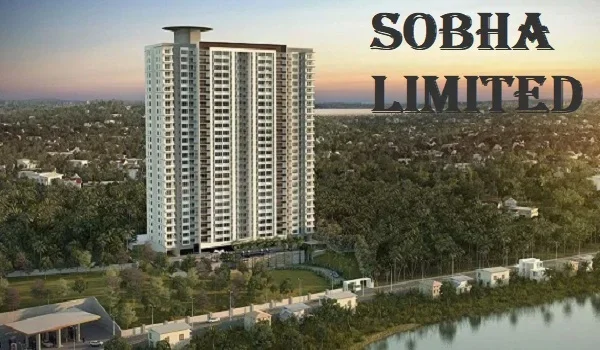
Sobha Amara plans 816 homes in two G+56 towers around a central landscaped spine at Kismatpur. Keeping homes in two tall towers frees more ground for gardens, play areas and community space. SOBHA lists Safety & Security and Recreation & Play among its planned zones. The full list follows at launch.
When the sample flat opens, use this guide as your checklist. Ask the sales team about railings, windows, lifts and fire systems. Also ask how the plan keeps cars away from play areas. For families, the location also helps, since Rock High School and TIME School sit about 2 km away.
A Quick Safety Checklist for Parents
- Check balcony railing height and design in the sample flat.
- Ask about window locks or restrictors on upper floors.
- Confirm CCTV coverage in lifts, lobbies and play areas.
- Check whether the pool has a fence, gate and lifeguard.
- See if cars and children use separate paths on the podium.
- Ask about fire systems, refuge floors and evacuation plans.
FAQs
Yes, they can be very safe when design and rules work together. Gates, guards and CCTV handle outside risks, while good balcony, lift and pool design handles risks inside.
Falls from balconies and windows are the biggest concern in tall towers. Tall railings, no climbable bars and window restrictors reduce this risk sharply.
Lower and mid floors make evacuation easier and reduce fall heights. However, good railings and window locks make any floor safe enough for most families.
Most societies allow invisible grills or approved designs that keep the facade uniform. Check the rules with the builder or the residents' association before you install them.
A safe pool needs a fence, a self-closing gate, a lifeguard on duty and a separate toddler pool. Clear depth markings also help children stay safe.
SOBHA lists Safety & Security among the planned amenity zones at Sobha Amara. The complete list will come with the launch documents, so ask for details when you visit.